
Call us now :+918830563789
 Send Inquiry
 Send Inquiry
FDG-A1 Filler Dispersion Grader
Price 800000.00 INR/ Set
MOQ : 1 Number
FDG-A1 Filler Dispersion Grader Specification
- Resolution
- 0.1 level
- Power Supply
- AC 220V, 50Hz
- Humidity
- 20-80% RH
- Interface Type
- Touch Panel
- Application
- Filler Dispersion in Rubber or Polymer Samples
- Accuracy
- ±1 level
- Equipment Type
- Filler Dispersion Grader
- Port Size
- 6 mm
- Display Type
- LCD Digital
- Features
- Uniform pressure, simple operation, digital readout
- Measuring Range
- Level 1 ~ Level 6 (Grade)
- Frequency
- 50 Hz
- Test Range
- 0-120 mm
- Number of Specimens
- 1
- Response Time
- Instant
- Automation Grade
- Semi-Automatic
- Max Height
- 200 mm
- Gas Pressure
- 0.5~0.7 MPa
- Specimen Size
- 150 × 60 mm
- Mounting Type
- Table Top
- Temperature
- 10-40°C
- Operating Voltage
- AC 220V
- Usage
- Laboratory/Industrial
- Capacity
- 1 specimen/sample
- Machine Weight
- 28 kg
- Test Speed
- 200 mm/min
- Test Width
- 60 mm
- Test Stroke
- 140 mm
- Control Mode
- Digital Control
- Sample Preparation Required
- Yes
- Dimensions (LWH)
- 500 320 350 mm
- Safety Device
- Emergency stop button
- Compliant Standards
- ISO 11345, ASTM D7723
- Structure
- Precision machined aluminum body
- Noise Level
- <65 dB
- Test Method
- Visual observation under standard lighting
- Lighting
- Integrated high-brightness lamps
FDG-A1 Filler Dispersion Grader Trade Information
- Minimum Order Quantity
- 1 Number
- FOB Port
- Taiwan
- Supply Ability
- 30 Per Month
- Delivery Time
- 30 Days
- Sample Policy
- Contact us for information regarding our sample policy
- Packaging Details
- Wooden
- Main Export Market(s)
- Australia, South America, Eastern Europe, Western Europe, Middle East, Central America, Asia, North America, Africa
- Main Domestic Market
- All India
- Certifications
- CE
About FDG-A1 Filler Dispersion Grader
Made In Taiwan
Functions
- In compliance with ASTM D7723 and ISO 11345 (testing methods C, D & E).
- Helps user to maintain mix quality and optimize mix process.
- Auto Focusing.
- Four position LED lighting system.
- Color camera can directly auto-analyze different colored-specimen.
Precision Grading for Filler Dispersion
The FDG-A1 offers accurate and reliable grading for filler dispersion in rubber and polymer specimens, with a visual test method enhanced by uniform pressure and standard lighting. The digital control system and LCD display ensure simple and fast measurement, while the precisely machined construction promotes repeatable results in both lab and industrial contexts.
Safety and User Convenience
Equipped with an emergency stop button, the FDG-A1 prioritizes operator safety during use. Its semi-automatic control and touch panel interface provide a straightforward operation, allowing users to conduct tests efficiently and confidently. Low noise emissions and ergonomic table-top mounting further enhance user comfort.
Compliant with International Standards
This grader adheres to recognized industry standards including ISO 11345 and ASTM D7723, affirming its suitability for quality control processes. Its results are presented with instant response and high resolution, offering reliable support to manufacturers and researchers focused on polymer material assessment.
FAQs of FDG-A1 Filler Dispersion Grader:
Q: How is the filler dispersion evaluated using the FDG-A1 Filler Dispersion Grader?
A: The grader assesses filler dispersion through visual observation under high-brightness, standardized lighting. Users prepare a specimen and place it in the device, which applies uniform pressure, and grades the dispersion level according to an ISO/ASTM-defined scale.Q: What types of samples can be tested on the FDG-A1 Filler Dispersion Grader?
A: This device is designed for rubber or polymer samples, with a specimen size of 150 60 mm. It is ideal for quality control in both laboratory and industrial environments requiring precise filler dispersion analysis.Q: When should a specimen be prepared for testing on the FDG-A1 grader?
A: Sample preparation is required before each test to ensure accuracy. The specimen must conform to the specified dimensions and condition, prepared according to standardized protocols for reliable results.Q: Where is the FDG-A1 Filler Dispersion Grader suitable for installation?
A: With its compact, table-top design and quiet operation, the FDG-A1 fits seamlessly into laboratory workspaces or industrial quality control areas. Its robust build facilitates easy mounting wherever precise grading is needed.Q: What is the step-by-step process for conducting a dispersion test with this equipment?
A: Prepare the sample, set it into the device, configure test parameters via the touch panel, and initiate the test. The instrument applies uniform pressure and uses integrated lighting for visual grading, displaying results instantly on an LCD screen.Q: What are the benefits of using the FDG-A1 Filler Dispersion Grader?
A: Key advantages include accurate grading (1 level), instant digital feedback, compliance with recognized standards, simple and safe operation, and durable construction. These features enable efficient quality assurance for various rubber and polymer materials.Q: How does the FDG-A1 ensure user safety during operation?
A: The device incorporates an emergency stop button to halt operation instantly if needed, and maintains low noise emission (<65 dB) to create a safer, more comfortable testing environment.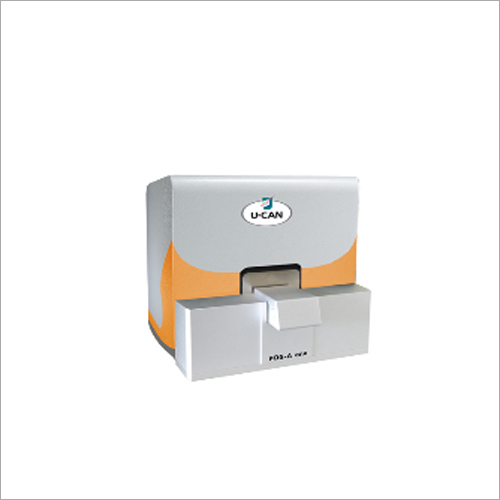
Tell us about your requirement

Price:
Quantity
Select Unit
- 50
- 100
- 200
- 250
- 500
- 1000+
Additional detail
Mobile number
Email

More Products in Dynamic Testing System Category
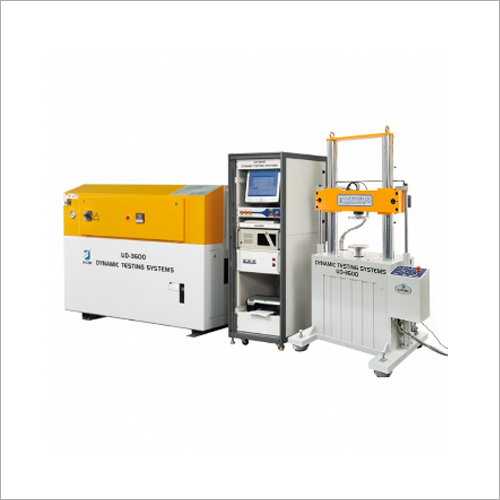
UD-3600 200Hz Dynamic Testing System
Price Range 19300.00 - 193000.00 USD ($) / Set
Minimum Order Quantity : 1 Set
Response Time : 1 ms
Number of Specimens : Up to 6 simultaneously
Test Width : 400 mm
Max Height : 1600 mm
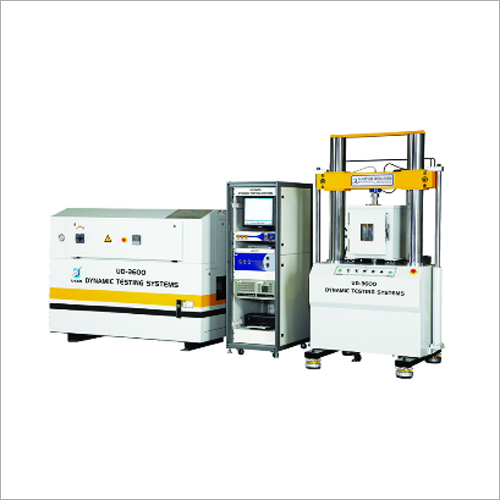
UD-3600 With Temp Oven Dynamic Testing System
Price Range 19300.00 - 193000.00 USD ($) / Set
Minimum Order Quantity : 1 Set
Response Time : <10 ms
Number of Specimens : 13 (Adjustable)
Test Width : Up to 30 mm
Max Height : Approx. 1340 mm

 Send Inquiry
Our Products
- Rubber and Testing
- Tyre Plunger Testing System
- PVTC Analyzer
- Comprehensive Environmental Testing Machine
- Tensile Strength Tester
- Dynamic Testing System
- Ozone Tester Chamber
- PVT Tester
- Dynamic Fatigue Tester
- Rebound Resilience Elasticity Tester
- Electronic Densimeter
- Low Temperature Retraction Tester
- Tire Section Cutting Machine
- Rubber Process Analyzer
- Optimum Cure Analysis System
- Hydraulic Sample Press
- Rheometer
- Universal testing machines
- Rubber Testing Machine
- Pressure Rheometer

B No. 26, Houkou S. Rd, Houli Township, Central Taiwan Science Park, Taichung - 42152, Taiwan

Ms Kelly Hsieh
(Manager)
Mobile :+886966852722, +886972393052, +910972393052, +919946307303, +918830563789
Mr. Vinoth Pitchaimuthu
Mobile :+886971874352
 Send Inquiry
 Send SMS
 Call Me Free
Developed and Managed by Infocom Network Private Limited.


