
हमें कॉल करें now :+918830563789
 जांच भेजें
 जांच भेजें
UD-3600 200Hz डायनामिठà¤à¥à¤¸à¥à¤à¤¿à¤à¤ सिसà¥à¤à¤®
MOQ : 1 Set
UD-3600 200Hz डायनामिठà¤à¥à¤¸à¥à¤à¤¿à¤à¤ सिसà¥à¤à¤® Specification
- एप्लीकेशन
- औद्योगिक
- अंतरफलक का प्रकार
- USB, RS232
- ऑटोमेशन ग्रेड
- Semi-Automatic
- ऑपरेटिंग वोल्टेज
- 220V AC
- विशेषताएँ
- High Frequency, Durable Structure, Real-time Data Acquisition, Overload Protection
- अधिकतम ऊंचाई
- 1600 mm
- फ़्रिक्वेंसी
- 1 – 200 Hz
- बिजली की आपूर्ति
- AC 220V, 50/60Hz
- प्रॉडक्ट टाइप
- गतिशील परीक्षण प्रणाली
- नमूना आकार
- Up to 80 mm length
- सटीकता
- ±0.5%
- नमूनों की संख्या
- Up to 6 simultaneously
- पोर्ट का आकार
- Standard (customization available)
- नमी
- 20% - 90% RH (Non-condensing)
- तापमान
- 10°C - 35°C
- गैस का दबाव
- 0.5 - 0.8 MPa
- मापने की सीमा
- 0 – 10,000 N
- डिस्प्ले टाइप
- Digital (LCD Display)
- प्रचालन विधि
- अर्द्ध स्वचालित
- रेज़ोल्यूशन
- 0.001 mm
- माउंटिंग टाइप
- Floor Standing
- कठोरता
- Suitable for a wide range of rigid and semi-rigid materials
- रिस्पांस टाइम
- ≤ 1 ms
- टेस्ट रेंज
- 0-10 kN
- मशीन का वजन
- Approximately 300 kg
- टेस्ट स्पीड
- Up to 200 mm/min
- परीक्षण की चौड़ाई
- 400 mm
- टेस्ट स्ट्रोक
- 0-100 mm
- कंट्रोल मोड
- Computer Controlled / Digital Servo Control
- Motor Type
- Brushless Servo Motor
- Additional Product Specifications
- Workspace Dimensions
- 800 mm x 600 mm
- Safety Protection
- Emergency Stop, Over-travel Protection, Overload Protection
- Noise Level
- 75 dB
- Speed Control Precision
- 0.2%
- Model
- UD-3600
- Software Compatibility
- Windows OS, Custom Test Profiles
- Color
- Industrial Grey
- Frame Construction
- Heavy Duty Alloy Steel
- Data Acquisition Frequency
- Up to 1000 Hz
- Factory Calibration
- Provided
- Environmental Requirements
- Indoor, Dust-free
- Power Consumption
- 2 kW
UD-3600 200Hz डायनामिठà¤à¥à¤¸à¥à¤à¤¿à¤à¤ सिसà¥à¤à¤® Trade Information
- Minimum Order Quantity
- 1 Set
- भुगतान की शर्तें
- कैश इन एडवांस (CID)
- आपूर्ति की क्षमता
- 30 प्रति महीने
- डिलीवरी का समय
- 45-90 दिन
- मुख्य घरेलू बाज़ार
- ऑल इंडिया
About UD-3600 200Hz डायनामिठà¤à¥à¤¸à¥à¤à¤¿à¤à¤ सिसà¥à¤à¤®
Functions
Waveform : Automatically generate following waveform
- Sine waveform
- Triangular waveform
- Square waveform
Data : Provide following data in real-time
- Absolute elastic constant (K)
- Storage elastic constant K (Store K)
- Loss elastic constant K (Loss K)
- Loss angle (Angle )
- Loss factor (tan )
- Decrement coefficient (Damping C)
- Peak displacement value (Disp X)
- Peak-load value (Force P)
- frequency
Exceptional Speed and Precision
The UD-3600 system boasts a highly accurate brushless servo motor, maintaining speed control precision within 0.2%%, even under varying operational conditions. This enables repeatable test results, essential for quality assurance and research. The unit supports test speeds up to 200 mm/min with fine-resolution measurement down to 0.001 mm, making it suitable for detailed analysis of material behaviors under dynamic stress.
Advanced Safety and Robust Construction
Safety is paramount in the UD-3600, equipped with emergency stop, over-travel, and overload protection. Its frame is constructed from heavy-duty alloy steel, ensuring durability and minimization of operational noise ( 75 dB). With factory calibration and semi-automatic operation, users benefit from both ease of use and operational security, protecting operators and equipment during intensive testing.
Flexible Testing Capabilities
Designed to handle a wide range of dynamic testing applications, the UD-3600 accommodates up to six specimens simultaneously with a measuring range up to 10,000 N. Custom test profiles enhance versatility, while compliance with ISO, ASTM, and DIN standards assures reliability in both research and industrial settings. The system integrates seamlessly with Windows OS, facilitating swift data transfer and report generation.
FAQs of UD-3600 200Hz Dynamic Testing System:
Q: How does the UD-3600 ensure safety during dynamic testing?
A: The UD-3600 incorporates multiple safety features such as emergency stop, overtravel protection, and overload protection. These safeguards prevent equipment damage and protect operators from accidental hazards, ensuring secure operation throughout the testing process.Q: What is the process for setting up and operating the UD-3600 system?
A: Setup involves connecting the system to a standard AC 220V power supply and the control computer via USB or RS232 interface. Specimens are mounted on the frame, and test profiles can be configured using the Windows-compatible software. The semi-automatic control ensures smooth operation with real-time digital monitoring and factory-calibrated accuracy.Q: Where can the UD-3600 be installed and what are the workspace requirements?
A: This system is floor-standing and should be installed indoors in a dust-free environment. The workspace dimensions required are 800 mm x 600 mm, with environmental conditions kept between 10C and 35C and humidity levels from 20%% to 90%% RH (non-condensing) to ensure optimal performance.Q: What types of tests and materials can the UD-3600 handle?
A: The UD-3600 is designed for rigorous dynamic testing of both rigid and semi-rigid materials. It supports customizable test profiles for various standards (ISO, ASTM, DIN) and can measure forces up to 10,000 N and frequencies up to 200 Hz, accommodating multiple specimens with lengths up to 80 mm.Q: When should the UD-3600 be recalibrated or serviced?
A: Factory calibration is provided upon delivery for precise measurements. Periodic recalibration may be necessary based on usage intensity, typically recommended annually. Its advised to consult the manufacturer or an authorized service provider for scheduled maintenance or recalibration needs.Q: What are the key benefits of using the UD-3600 testing system?
A: Key advantages include high-frequency dynamic testing (up to 200 Hz), superior precision, rapid data acquisition (up to 1000 Hz), robust safety protections, compliance with international standards, and the capacity to test multiple specimens simultaneously. These features increase productivity and data reliability for industrial and research applications.Q: How does real-time data acquisition work on this system?
A: Real-time data is acquired via the digital LCD display and software, allowing instant monitoring and analysis. The systems data acquisition frequency of up to 1000 Hz captures even rapid material responses, ensuring comprehensive test records for evaluation and reporting.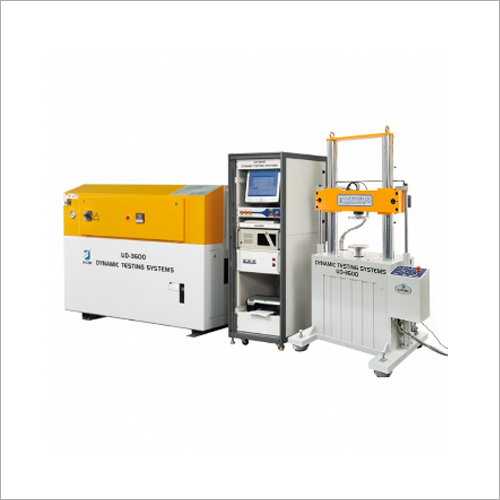
Tell us about your requirement

Price: Â
Quantity
Select Unit
- 50
- 100
- 200
- 250
- 500
- 1000+
Additional detail
मोबाइल number
Email

अधिक Products in गतिशील परीक्षण प्रणाली Category
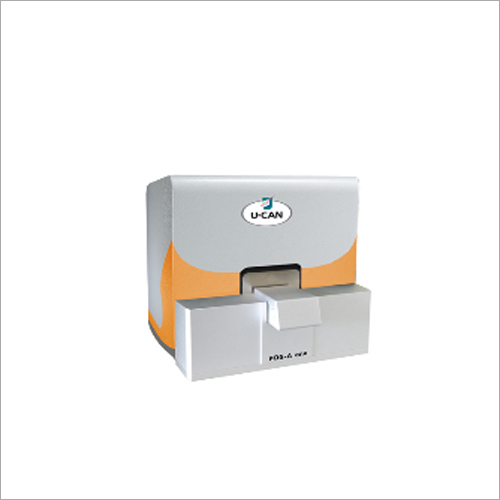
FDG-A1 फिलर फैलाव ग्रेडर
मशीन का वजन : 28 kg
रेज़ोल्यूशन : 0.1 level
अधिकतम ऊंचाई : 200 mm
कंट्रोल मोड : Digital Control
उपयोग : Laboratory/Industrial
माउंटिंग टाइप : Table Top
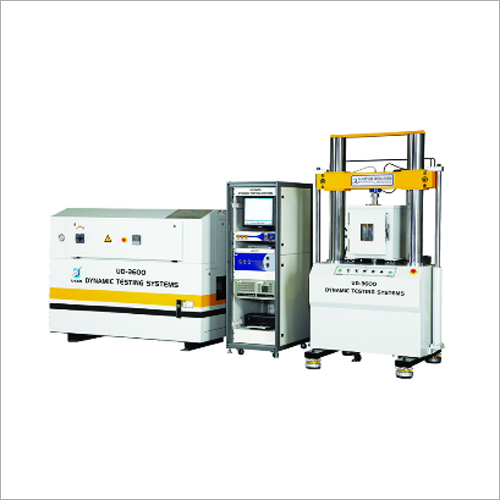
UD-3600 टेम्प ओवन डायनामिक टेस्टिंग सिस्टम के साथ
मशीन का वजन : Approx. 180 Kg
रेज़ोल्यूशन : 0.01N
अधिकतम ऊंचाई : Approx. 1340 mm
कंट्रोल मोड : Microprocessor Based Control
उपयोग : Rubber, Plastic, and Composite Dynamic Testing
माउंटिंग टाइप : Free Standing

 जांच भेजें
हमारे उत्पाद
- रबर और परीक्षण
- टायर सवार परीक्षण प्रणाली
- पीवीटीसी विश्लेषक
- व्यापक पर्यावरण परीक्षण मशीन
- तन्य शक्ति परीक्षक
- गतिशील परीक्षण प्रणाली
- ओजोन परीक्षक चैम्बर
- प्राइवेट परीक्षक
- गतिशील थकान परीक्षक
- रिबाउंड रेजिलिएंस इलास्टिसिटी परीक्षक
- इलेक्ट्रॉनिक डेंसिमीटर
- निम्न तापमान प्रत्यावर्तन परीक्षक
- टायर अनुभाग काटने की मशीन
- रबर प्रक्रिया विश्लेषक
- इष्टतम इलाज विश्लेषण प्रणाली
- हाइड्रोलिक नमूना प्रेस
- रबर परीक्षण उपकरण
- सार्वभौमिक परीक्षण मशीनें
- रबर परीक्षण मशीन
- दबाव रियोमीटर


बी नंबर 26, होउकोउ एस. रोड, हाउली टाउनशिप, सेंट्रल ताइवान साइंस पार्क,ताइचुंग - 42152, ताइवान

श्रीमती केली हसीह
(प्रबंधक)
मोबाइल :+886966852722, +886972393052, +910972393052, +919946307303, +918830563789
श्रीमती केली हसीह
(प्रबंधक)
मोबाइल :+886971874352
 जांच भेजें
 एसएमएस भेजें
इन्फोकॉम नेटवर्क प्राइवेट लिमिटेड . द्वारा विकसित एवं प्रबंधित


